
Flanker Test
Free online Eriksen flanker task for selective attention
The center arrow points left, so choose Left.
🎯 How to Play
Each trial shows a row of five arrows. Only the arrow in the middle matters.
- Look at the + in the center of the screen. The arrows appear right where it was.
- Press ← or A if the center arrow points left, → or D if it points right. On a phone, tap the Left or Right button.
- Ignore the four flanking arrows. They point the same way (congruent), the opposite way (incongruent), or are plain dashes (neutral).
- Answer within 2 seconds. The first 4 trials are practice and are not scored.
Cognitive Benefits
Selective Attention
Strengthen your ability to focus on relevant information while filtering out distracting stimuli in your environment.
Processing Speed
Improve how quickly and accurately your brain can process visual information and make decisions under time pressure.
Executive Control
Enhance your brain's ability to override automatic responses and maintain goal-directed behavior despite interference.
The Science Behind the Game
The Eriksen Flanker Task and Selective Attention
FAQ
Related Games
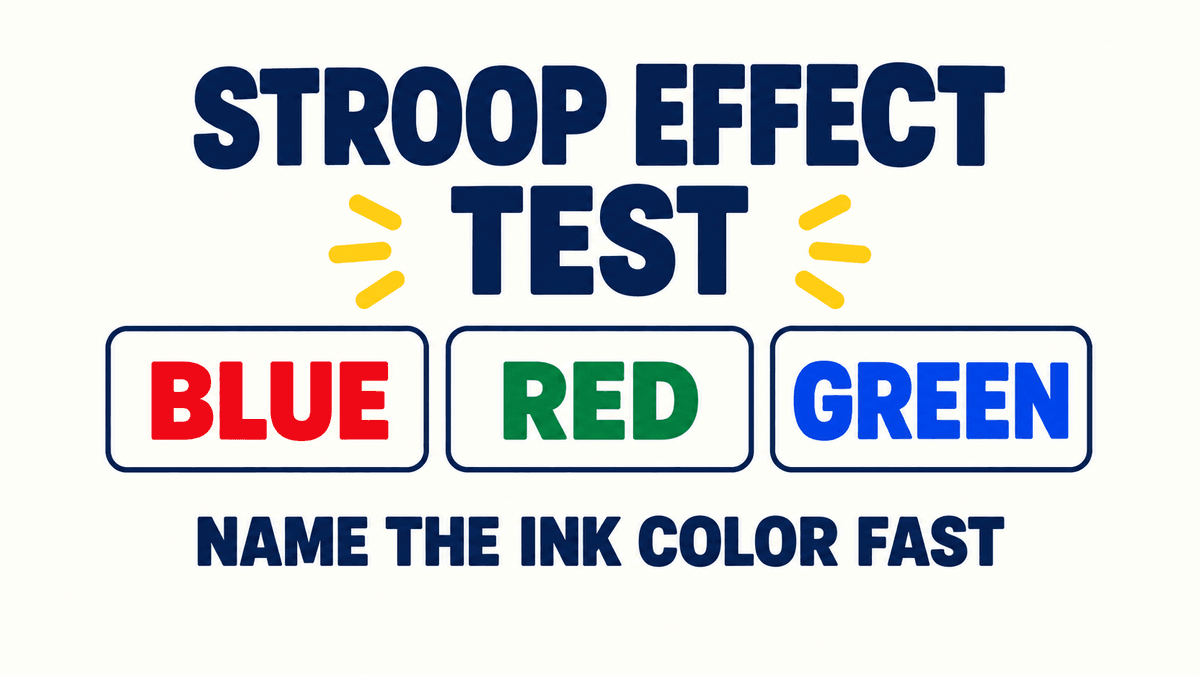 Selective Attention
Stroop Effect Test
Take a free Stroop effect test online by naming the ink color instead of the word. Train selective attention, inhibition control, and conflict resolution while tracking your reaction time.
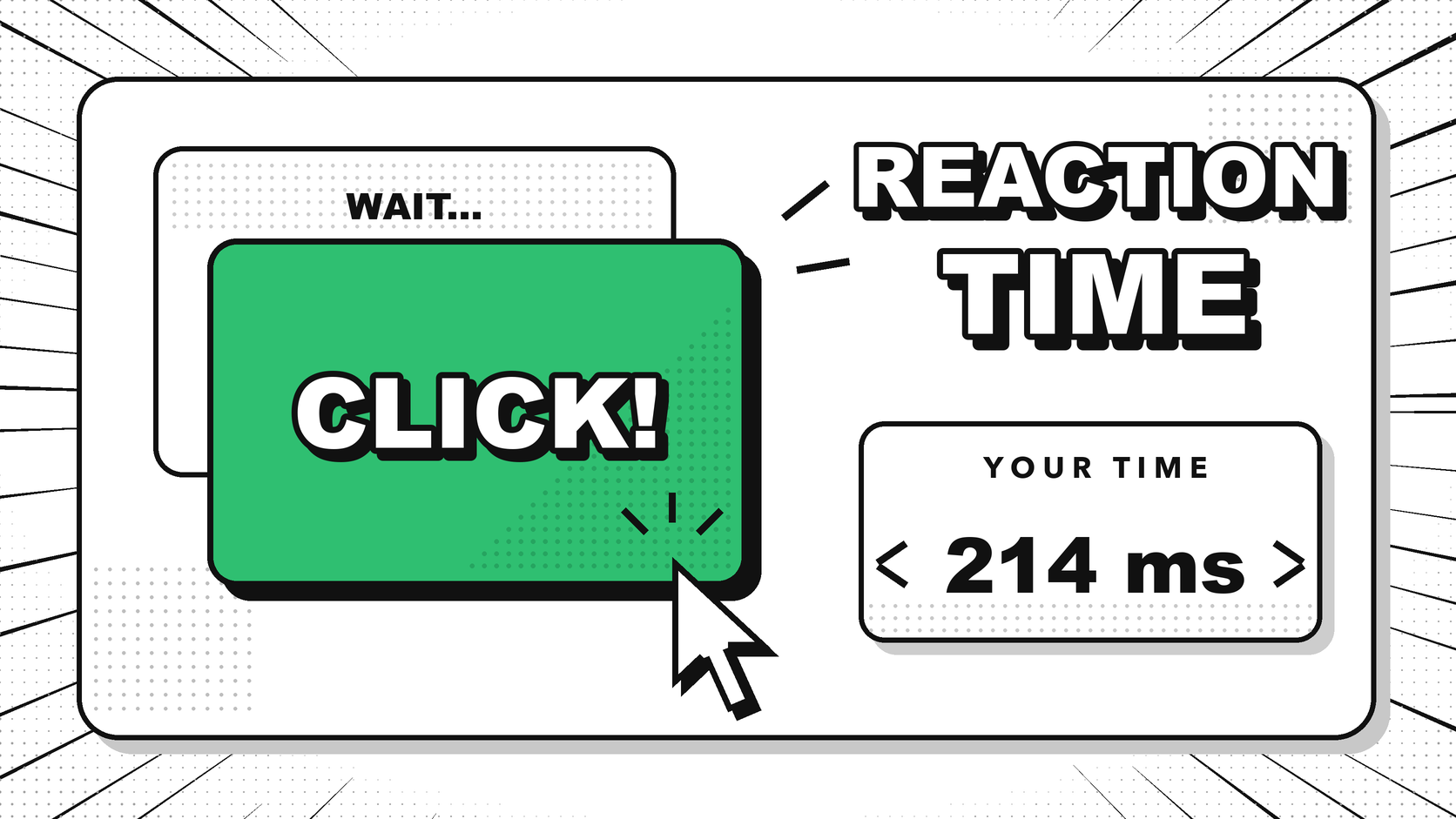 Reaction Time
 Test
Use this free online reaction time test to check how quickly you respond to a visual signal and compare your result against common averages.
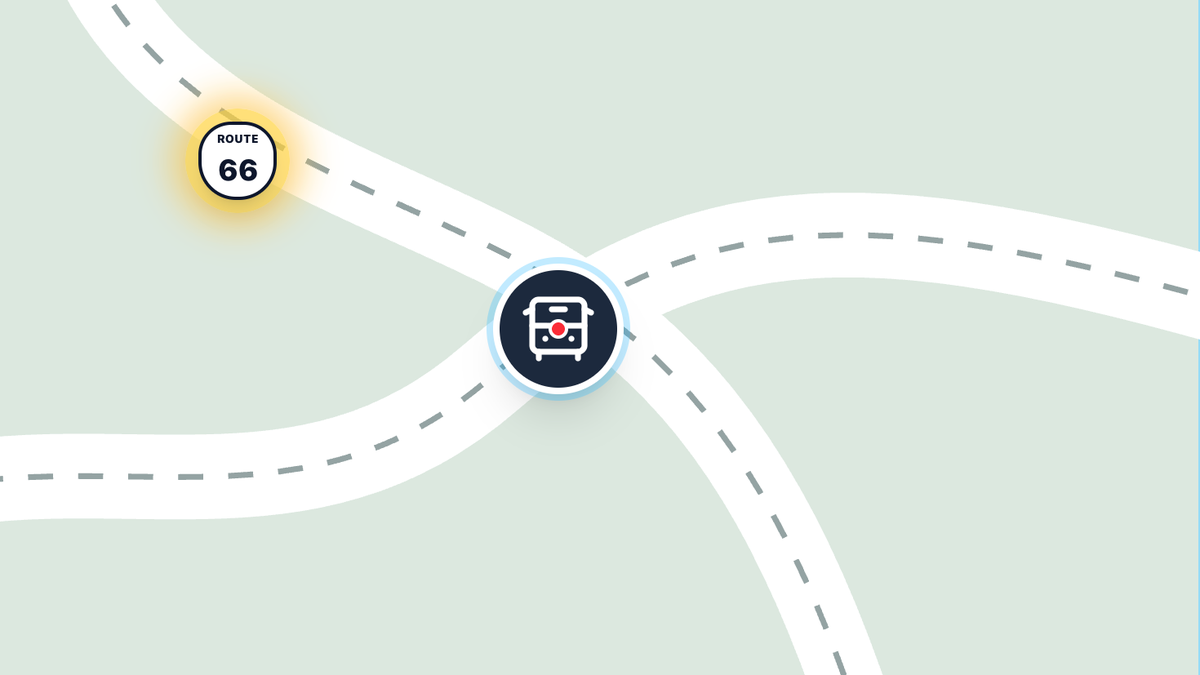 Divided Attention
Double Decision Game
Play a free Double Decision game that combines central vehicle recognition with peripheral road-sign location in one brief glance.